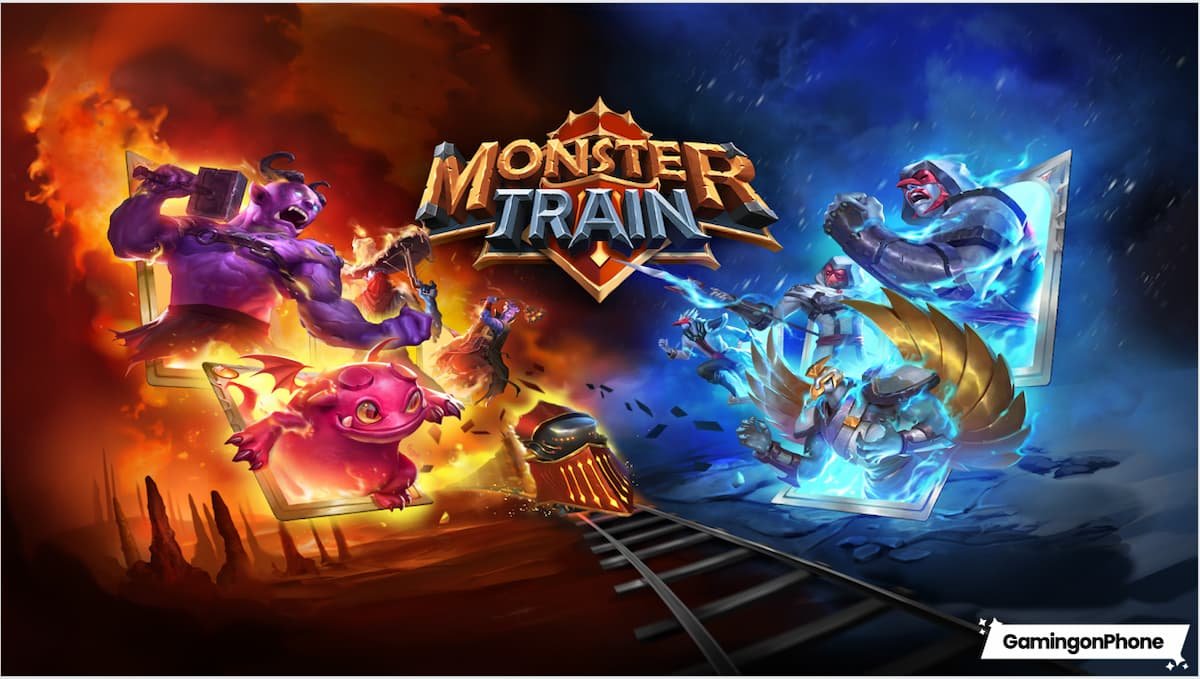
For seasoned Monster Train conductors, the standard climbs through Hell's rings, even at Covenant 25, can eventually start to feel… familiar. While the daily runs offer a fresh twist, the true sandbox for endless, personalized strategic puzzles lies within Advanced Monster Train Challenge Customization. This isn't just about tweaking a few settings; it’s about becoming a master architect of your own unique hellish trials, or diving headfirst into the ingenious (and often sadistic) creations of the community. Prepare to unlock a dimension of Monster Train that redefines replayability, offering depths of strategy and emergent gameplay you might not even realize were possible.
At a Glance: Mastering Custom Challenges
- Become a Creator: Design your own runs by picking clans, mutators, Covenant ranks, and Hell Rush timers.
- Share and Conquer: Each custom challenge gets a unique 3-word phrase for easy sharing and joining.
- Community Hub: Browse popular, difficult, high-scoring, or random challenges curated by the devs and the community.
- Strategic Depth: Mutators dramatically alter gameplay, forcing novel approaches and clan synergies.
- Leaderboard Glory: Compete globally and against friends, with high scores hinging on a deep understanding of the scoring system.
- Infinite Replayability: The sheer combination of customization options ensures no two custom challenges need ever be the same.
Beyond the Rails: Why Custom Challenges Demand Your Attention
You’ve conquered the Divine, perhaps multiple times. You’ve danced with the shifting sands of the Daily Challenge, and maybe even felt the pulse-pounding pressure of Hellrush. But Custom Challenges aren't just another mode; they're the ultimate expression of Monster Train's design philosophy. They empower you to break free from predefined structures and explore "what if?" scenarios.
Unlike the curated chaos of Daily Challenges, where you simply accept the hand you’re dealt, custom challenges put you in the driver’s seat. You dictate the rules, the stakes, and the specific brand of suffering or triumph you wish to experience. This freedom transforms Monster Train from a roguelike deck-builder into a strategic playground, offering unparalleled depth for those who crave a truly bespoke challenge. It’s here that the game’s core mechanics are tested, twisted, and often, perfected.
Deconstructing the Custom Challenge Creator: Your Toolkit for Torment (or Triumph)
Building a custom challenge is more than just clicking buttons; it's an exercise in game design. Each choice you make significantly alters the run's character, difficulty, and strategic demands. Let's break down the core components available to you.
Choosing Your Core: Primary and Allied Clans
Your first, and arguably most foundational, decision when crafting a custom challenge is selecting your Primary Clan and Allied Clan. These aren't mere cosmetic choices; they define your starting deck, available units, spells, and key synergies that will dictate your overall strategy.
- Primary Clan: This determines your starting champion and the majority of cards you'll encounter early on. Its intrinsic mechanics often set the initial tone for the run. For instance, selecting Hellhorned as primary immediately suggests an emphasis on rage, imp summoning, or large, hard-hitting units.
- Allied Clan: This clan augments your primary's strategy, providing crucial support, alternative win conditions, or filling gaps in your primary's toolkit. A Stygian Guard ally could provide crucial Frostbite or spell utility for a Little Fade run, while an Umbra ally might offer Lifesteal and gorge potential.
The interplay between these two clans is where the magic (and the challenge) begins. Consider how their strengths complement each other, and more importantly, how their weaknesses might be exposed by the mutators you introduce later. Are you creating a run that rewards established, powerful synergies, or one that forces players to find obscure, underdeveloped combinations? Think about how the base game's clan synergies usually function and how you might break or reinforce them.
The Power of Mutators: Twisting the Rules of Hell
Mutators are the heart of advanced Monster Train challenge customization. These are game-changing modifiers that fundamentally alter the rules of engagement, forcing players to adapt on the fly. You can select up to three Mutators for each custom challenge, and their combined effect can range from subtly nudging strategy to completely upending conventional wisdom.
Let's look at the kinds of impacts mutators can have:
- Resource Manipulation:
- Example: "Draft Pick" (start with no gold, but every floor reward is a draft). This forces players to adapt their entire economy, prioritizing cards over upgrades or gold-based relics.
- Example: "No Merchants" (merchants never appear). This makes every card draft, every unit selection, and every upgrade path critically important, as there's no safety net for purchasing solutions.
- Unit & Spell Alterations:
- Example: "Random Starting Hand" (start with a random hand each turn). This introduces a significant element of RNG, demanding flexibility and resilient strategies that aren't reliant on specific card combos turn one.
- Example: "Units Have Only 1 Health" (all units, yours and enemies, have 1 health). This completely redefines combat, making multi-strike, sweeping attacks, and damage shields incredibly powerful, while raw damage becomes less relevant.
- Map & Boss Modifications:
- Example: "No Bosses" (boss fights are skipped). This might seem easier, but it removes significant rewards and strategic thresholds, changing the pacing dramatically.
- Example: "All Bosses Are Seraph" (every boss is Seraph, with escalating power). This creates an intense scaling challenge, forcing players to build decks that can handle Seraph's unique properties repeatedly.
- Gameplay Flow Changes:
- Example: "All Trials Are Active" (every floor has a trial). This ramps up the challenge significantly, demanding efficient resource management and careful pathing decisions.
When choosing mutators, think about the kind of run you want to create: - Synergistic Fun: Combine mutators that work well together to create a specific, powerful build path.
- Strategic Roadblocks: Introduce mutators that directly counter common strategies or force players out of their comfort zones.
- Pure Chaos: Pick mutators that wildly disrupt gameplay, leading to unpredictable and often hilarious outcomes.
The true art of custom challenge creation lies in understanding how mutators interact, not just in isolation, but in combination. A mutator that seems benign alone can become devastating when paired with another.
Covenant Rank: Tailoring the Baseline Difficulty
You’re not limited to the standard Covenant progression when designing custom challenges. You can set the Covenant Rank anywhere from 0 to 25. This choice establishes the baseline difficulty of your run, influencing everything from enemy health and attack values to the number of pips on cards and starting gold.
- Low Covenant (0-10): Ideal for introducing new players to custom challenges, experimenting with wild mutator combinations without overwhelming difficulty, or creating "power fantasy" runs where you feel supremely strong.
- Mid Covenant (11-20): Offers a balanced challenge, allowing mutators to shine without being overshadowed by extreme base difficulty. Great for exploring specific strategic puzzles.
- High Covenant (21-25): For the truly masochistic or the hyper-optimized player. At Covenant 25, every decision is amplified, and mutators can push the limits of what's considered possible. This is where you test the mettle of even the most experienced conductors.
Remember that Covenant Rank interacts heavily with your chosen mutators. A seemingly simple mutator like "All units have only 1 health" becomes far more complex at Covenant 25, where enemy damage scales rapidly. Or conversely, a mutator that grants significant power (like "Start with a random powerful relic") might make lower Covenant ranks too trivial.
Hell Rush Options: The Race Against Time
The Hell Rush Option adds another layer of pressure and strategic depth to your custom challenges. This feature introduces a ticking clock, forcing faster decision-making and often penalizing drawn-out battles. You can choose from:
- Off: No time limit. This is the classic Monster Train experience, allowing for deliberate, thoughtful play. Great for complex strategic puzzles.
- Fast Timer: A significantly reduced timer. Every second counts. This option favors aggressive, high-tempo strategies and punishes indecision or slow calculations.
- Normal Timer: The standard Hellrush timer. A good balance, encouraging efficiency without being overly punishing.
- Slow Timer: A more generous timer than normal. Provides a bit of breathing room while still maintaining a sense of urgency.
- Slower Timer: The most relaxed timer option (besides Off). Still present, but offers ample time for most turns.
The Hell Rush option profoundly affects how players approach combat. With a fast timer, players might prioritize quick damage output, front-loaded strategies, and minimizing turns to clear floors. Slow, setup-heavy builds can become a liability. Consider how this option synergizes with your chosen clans and mutators. If you have "Units have only 1 health," a fast timer might be exhilarating, as turns are quick. But if you have complex units that need to scale, a fast timer could be a brutal addition. For a deeper dive into time-sensitive strategies, you might explore Monster Train Hellrush strategy.
The Unique Identifier: Your Challenge's Secret Phrase
Once you’ve meticulously crafted your challenge, the game generates a unique 3-word phrase. This phrase is the key to sharing your creation with the world and allowing others to join your specific run. It's a simple yet elegant system for community interaction:
- Sharing: Simply tell your friends or post the phrase in community forums.
- Joining: Players navigate to the Community Challenges screen and enter the exact 3-word phrase. No complex URLs or codes needed.
This straightforward system is a cornerstone of the community aspect of custom challenges, fostering a lively exchange of ideas and competitive runs.
Exploring the Community Hub: Your Gateway to Endless Runs
You don't just have to create challenges; you can dive into a seemingly infinite pool of community-made runs. The Community Challenges screen offers several categories to help you discover your next Monster Train obsession.
- Featured by the Devs: These challenges are hand-picked by the Monster Train developers, often showcasing particularly innovative, challenging, or fun combinations of mutators. They're a great starting point for quality runs.
- Most Popular: Curious what the community is currently obsessed with? This category highlights the three challenges with the most registered scores. These are typically engaging and well-balanced enough to attract a large player base.
- Highest Scores: Looking for a challenge where skilled players have truly excelled? This category showcases runs where the top scores are astronomically high, often indicating opportunities for incredible power spikes or overlooked strategies.
- Most Difficult: For those who crave punishment, this category features the three challenges with the lowest overall scores. Prepare for a brutal test of skill, often designed by masochists for masochists.
- Discover Something New: Can't decide? This option provides three random challenges, offering a chance to stumble upon hidden gems or truly bizarre concoctions. It's an excellent way to broaden your strategic horizons and encounter setups you might never have considered.
Mastering the Leaderboards: Cracking the Scoring Mechanic
Custom challenges, like Daily Challenges and Hellrush, come with their own leaderboards. To truly excel and climb these ranks, you need more than just good gameplay; you need to understand the underlying Scoring Mechanic. While the exact formula can be complex and is often refined by the developers, general principles apply:
- Efficiency is Key: Finishing runs quickly, with minimal turns, is almost always rewarded. This is especially true with Hell Rush timers.
- Health Matters: Preserving your Pyre's health is crucial. Taking damage or letting enemies through often incurs score penalties.
- Gold Accumulation: Ending a run with a large sum of gold often contributes positively to your score, indicating efficient resource management.
- Unit Survival: Keeping your champions and key units alive through the entire run can also contribute to a higher score, showcasing mastery over your board state.
- Trials and Banners: Successfully completing trials and collecting all banners typically boosts your score, encouraging high-risk, high-reward play.
- Boss Kills: Defeating bosses, particularly Seraph, with efficiency is a significant factor.
A high score isn't just about winning; it's about winning decisively and elegantly. This means optimizing every decision, from your pathing choices to your card plays, always with an eye on the scoreboard. For those looking to dissect the broader game's systems, understanding Monster Train's basic mechanics is a solid foundation.
Crafting Your Own Masterpiece: Tips for Challenge Creators
So, you're ready to step into the designer's chair? Creating compelling custom challenges is an art form. Here are some tips to help you craft runs that both challenge and delight.
Balance vs. Brutality: Designing Engaging Runs
The first question to ask yourself is: what kind of experience do I want to create?
- Balanced & Fair: Aim for a challenge that feels difficult but achievable, where skill and smart decision-making are paramount. These runs often highlight specific clan synergies or mutator interactions in a positive way.
- Brutally Difficult: If your goal is to push players to their absolute limits, don't shy away from combinations that seem unfair. Just be aware that these will appeal to a smaller, more hardcore audience.
- Unique & Quirky: Sometimes, the goal isn't just difficulty, but novelty. Can you create a challenge that forces completely new strategies or makes previously useless cards shine?
A good custom challenge has a "hook"—a central idea or problem that the player needs to solve. Is it about managing a specific resource? Overcoming a constant threat? Or finding an improbable combo?
The Art of the Mutator Combo: Synergies and Anti-Synergies
This is where the real design work happens.
- Positive Synergies: Can you combine mutators that create an incredibly powerful (but maybe difficult to achieve) strategy? For example, "Units have only 1 health" with "Rage does not decay" for a Hellhorned/Remnant run might create an explosive scenario.
- Negative Synergies (The Trap): Introduce mutators that seem to clash, forcing players to adapt. "No Ember for spells" with "All units have Purge" would be a devilish combination, making every spell play critical.
- Environmental Pressure: Use mutators that affect the game world rather than just your cards. "All trials are active" with "No merchants" dramatically changes pathing and resource management.
Always think about the "meta-game" of your challenge. Are you trying to invalidate common strategies or highlight underused ones? What's the core puzzle players need to solve?
Testing Your Creation: The Iterative Process
Don't just publish your challenge after one attempt. Playtest it!
- Run It Yourself: Play through your own challenge multiple times. Does it feel fair? Is it too easy? Too hard? Are there unintended loopholes?
- Adjust and Refine: Based on your playtesting, tweak the Covenant rank, Hell Rush option, or even swap out a mutator. Even small changes can have a huge impact.
- Get Feedback: Share your challenge phrase with a few trusted friends or community members. Their perspective can be invaluable.
Sharing Your Vision: Getting Visibility
Once your challenge is polished, share it!
- Community Forums: Post your 3-word phrase on Reddit, Discord servers, or other Monster Train communities. Describe the challenge you're aiming for.
- Streaming/Content Creation: If you're a streamer or content creator, playing your own custom challenges is a great way to engage your audience and spread the word.
- Design for Populating Leaderboards: Challenges that are engaging enough to encourage multiple attempts are more likely to appear in the "Most Popular" category.
Beyond Customization: Other Ways to Test Your Mettle
While custom challenges offer unparalleled depth, it’s worth a quick nod to the other challenge modes that keep Monster Train fresh. They each provide a distinct flavour of competition and strategic thinking.
Daily Challenges: A Fresh Twist Every Day
Every 24 hours, a new Daily Challenge emerges, complete with a unique set of mutators and often a specific starting deck or relic. These are quick, competitive bursts of Monster Train, perfect for a daily dose of strategic thinking. You compete globally and against friends on leaderboards, aiming for the highest score using the same skill-focused system as custom challenges. The beauty of Daily Challenges lies in their impermanence – a new puzzle every day ensures you're constantly adapting. For tips on maximizing your score in these fleeting events, check out Daily Challenge strategies.
Hellrush: Real-Time Multiplayer Mayhem
For those craving a competitive, real-time experience, Hellrush pits eight players against each other. Everyone starts with the exact same resources, ensuring a level playing field. The ticking clock, similar to the Hell Rush options in custom challenges, adds immense pressure, testing decision-making under fire. The objective: remain undefeated and be the last conductor standing. It's a high-octane test of speed, efficiency, and adaptability. While not a customization mode, Hellrush sharpens the skills that are invaluable in any timed custom challenge.
Common Pitfalls and Pro Tips for Custom Challenge Mastery
Avoid These Traps When Creating or Playing:
- Overly Synergistic Mutators (Creation): While fun, combining too many positive mutators can make a challenge trivial. The best challenges present obstacles alongside opportunities.
- Ignoring the Scoring Mechanic (Playing): Just winning isn't enough for the leaderboards. Understand how your actions translate into points.
- No Clear Goal (Creation): A challenge without a central theme or interesting strategic problem can feel directionless.
- Underestimating Hell Rush (Playing): A fast timer isn't just about playing faster; it often means prioritizing different cards, upgrades, and overall strategies.
- Blindly Following Meta (Playing): Custom challenges, by their nature, break the meta. What works in a standard run might be awful here. Be flexible!
Pro Tips for Conquering and Crafting:
- Focus on Interactions: Whether creating or playing, look for how mutators, clans, and Hell Rush options influence each other. That's where the deeper strategy lies.
- Embrace the Unexpected: The joy of custom challenges is in their unpredictability. Don't get frustrated if a run goes sideways; learn from it.
- Document Your Thoughts (Creation): Keep notes on why you picked certain mutators or how you envision the challenge playing out. This helps in refinement.
- Watch Top Players (Playing): For incredibly difficult challenges, watching a top player's run can reveal ingenious solutions you might have missed.
- Don't Be Afraid to Experiment: The beauty of custom challenges is that there's no penalty for failure (outside of your pride). Try wild ideas!
Your Next Dive Into the Abyss: Infinite Possibilities Await
Advanced Monster Train Challenge Customization isn't just a feature; it's a testament to the game's robust design and a playground for its most dedicated players. It pushes the boundaries of strategy, unleashes creativity, and fosters a vibrant community of shared challenges and competitive pursuits. Whether you’re meticulously crafting a run to stump your friends or seeking out the most punishing trials the community has devised, this mode offers endless hours of engaging gameplay.
So, fire up Monster Train, head to the Community Challenges screen, and either input a fascinating 3-word phrase you've heard, browse the categories for a new obsession, or embark on the journey of designing your own master-class run. The true potential of Monster Train is waiting for you to unleash it. And who knows, perhaps one day your expertly crafted challenge might even inspire the next set of official challenges, or even contribute to the design philosophy of future iterations. If you're looking ahead, you can even explore how to Generate Monster Train 2 challenges with new tools. The rails of Hell stretch infinitely when you're the one laying them.